save the date for the Fall Conference in Syracuse!
November 6 & 7, 2026
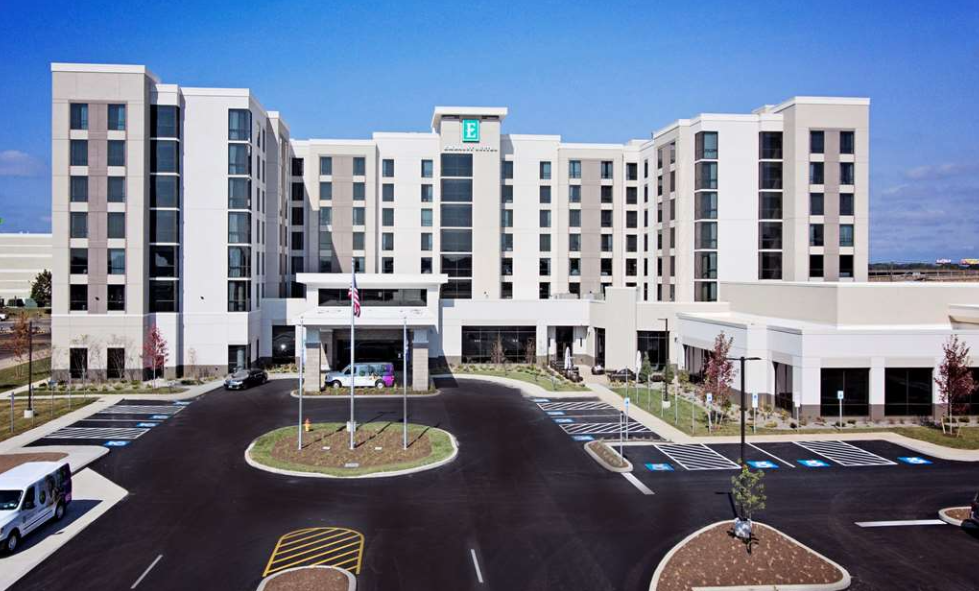
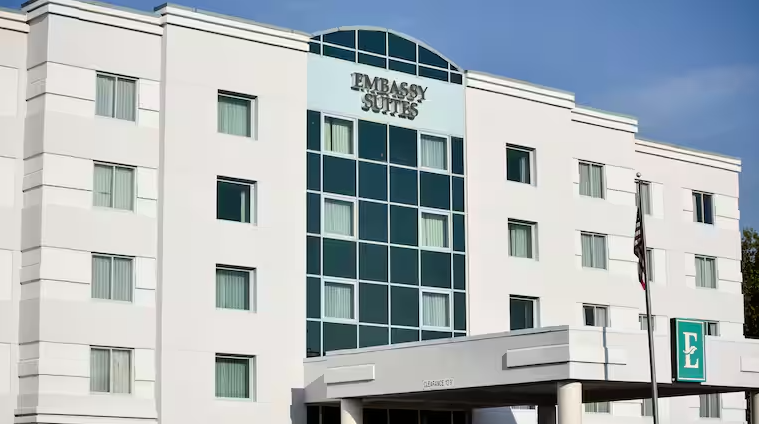
Embassy Suites Destiny USA
311 Hiawatha Blvd W.
Syracuse, NY 13204
The ESHPA Board has made the awesome decision to reduce the ticket prices for the conference. We know times are tough and many are tightening their belts. Fees have been drastically reduced for members to $30 per day or $50 for both days!! (Must be purchased BEFORE Oct 30th for pre-sale prices). Non-members will be at the old rate of $75 per day or $125 for both days. Make sure to check your membership status purchasing tickets. Day of tickets will be $40/$70.
As part of the festivities, we will host two silent auctions (one each day) and our main live auction during Friday evening's banquet. To make these events a success, we are seeking donations of beekeeping equipment, gift certificates, or any unique items that would interest fellow bee enthusiasts.
Why donate?
Tax-Deductible: All contributions can be written off as a donation to NYSBA at fair market value, regardless of the final auction sale price.
Support the Community: Your generosity directly funds our programming and vital honeybee initiatives.
Drop-off Details:
Please bring your donation items to the
registration table on Friday morning starting at 8:00 AM.
Thank you for your continued support,
and we look forward to seeing you at the conference!
Conference Schedule
Friday, Nov 6th
8:00AM : Registration table opens. Drop off your tax deductible donations for the silent and live auctions!
8:00 - 10:00 : Drop off your honey, mead, wax & photo entries for the Honey Show competition. You MUST be an ESHPA member to enter
9:00 - 9:15 : Conference opening remarks and welcome
9:15 - 10:00 - Anne Mills - New York honeybee health update
10:00 - 11:00 - Grant Stiles - Seasonal Hive Management
11:00 - 12:00 - Paul Kelly - The Low Varroa Growth breeding program at HBRC
12:00 - 1:00 - Lunch
1:00 - 2:00 : Dr. Peck - Changes in varroa treatment options
2:00 - 3:00 : Annual ESHPA business meeting
3:00 - 4:00 : Randall Cass - From Honeycomb to consumer. Tips on honey bottling, marketing and safety concerns.
6:00PM - Reception - cash bar & hors d'oeuvres in the banquet hall
7:00 - Annual ESHPA Banquet with live auction, Beekeeper of the Year award, Friend of the Industry award and Roger Morse Honey Show awards.
Registration required, please check at the ESHPA table for availability.
Saturday, Nov 7th
8:00AM : Registration table opens. Drop off your tax deductible donations for the silent and live auctions!
9:00 - 9:15 : Welcome back
9:15 -10:00 : Grant Stiles - Honey house basics and food safety
10:00 - 11:00 : Paul Kelly - Ergonomic beekeeping, trucks, tools and methods for small to midsize operations
11:00 - 12:00 : Mike Connor : Bees, trees and small meadows
12:00 - 1:00 : Lunch
1:00 - 2:00 : Randall Cass - NYS Tech Team updates
2:00 - 3:00 : Dr. Peck - Locally adapted queens, marketing myth or cornerstone of bee stock
3:00 - 4:00 : Closing remarks & conference ends
Guest Speakers
Randall Cass
Cornell University Bee Extension Specialist
Topics - 1. NYS Beekeeper Tech Team update
2. From Honeycomb to Consumer: Tips on bottling, marketing and safety regulations
Randall joined Cornell University as a honey bee extension associate in the spring of 2025. He manages the NYS Beekeeper Tech Team, supports honey bee research, and is an extension resource for beekeepers throughout the state. Randall has worked in beekeeping extension for nearly a decade, previously serving as an extension associate and researcher at Iowa State University. His research has focused on honey bee health in agricultural landscapes and integrated pest management. Randall holds a Master of Science from the University of California, Davis.
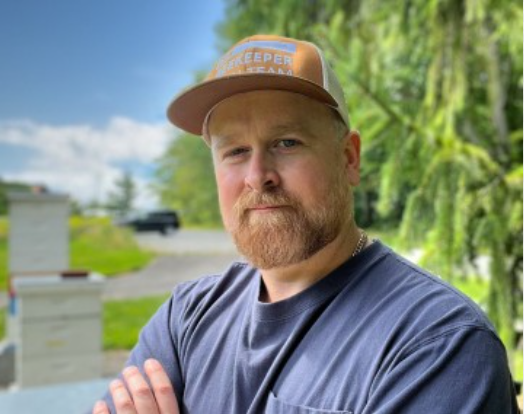
Anne Mills
NYS Apiculturist
Topic - NYS Apiculturist update
Bio :
Annie Mills is an upstate New York native and has served as the State Apiculturist at the Department of Agriculture and Markets since 2024. Prior to working at the Department, she held agricultural extension education roles with Cornell Cooperative Extension and North Carolina State University. As State Apiculturist, her role includes managing New York’s Honey Bee Inspection Program which monitors bee health to ensure the state is protected from potential problems in its honey bee population. Annie holds a Bachelor of Science degree from Cornell University and Master of Science degree in entomology from the University of Florida. Aside from managing the honey bee inspection program she has several hives of her own that she cares for at her home.
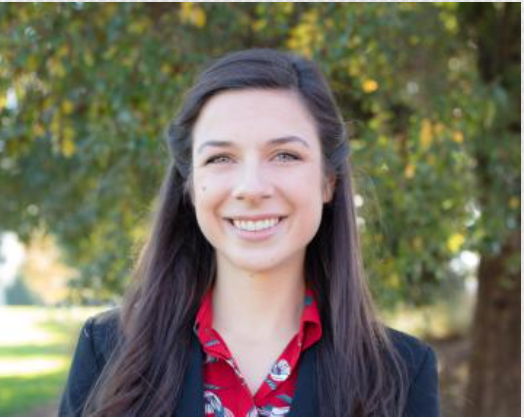
Mike Connor
Professional Arborist & Beekeeper from Michigan
Topic:
Bees, Trees & Small Meadows: One of the primary challenges in beekeeping is ensuring adequate bee nutrition. Migratory beekeepers can relocate their colonies from areas that support spring buildup to honey flows throughout the season, but a small-scale beekeeper may not have that option. Their colonies must build up and produce a honey crop from a single location. As the availability and diversity of bee forage continues to decline, it is increasingly important for beekeepers to evaluate their sites and consider supplementing natural forage with additional plantings. Although trees are often the most significant single source of pollen and nectar, beekeepers can also establish selected annuals and perennials in small areas to help bridge nutritional gaps and support healthy bee populations.
Bio:
Mike Connor is a Certified Arborist, Nursery Grower, and an experienced Beekeeper. He grew up on an orchard and Christmas tree farm in Southwest Michigan and purchased his first hive of bees when he was12 years old. He is in a unique position to understand the relationships between plants, trees, and bees.
A graduate of Cornerstone University, with post-graduate studies at MSU, Mike became a Branch Manager of a national Bee Supply manufacturer, Dadant and Sons, in 1977. At Dadants he received a practical education in beekeeping from some of the best beekeepers in the world. He left Dadants in 1985 to start his own tree Nursery and operate 200 hives of his own.
Including a 7-year commitment as a Municipal Arborist and Park Superintendent, Mike has spent his entire career growing and caring for plants, trees, and bees. He is a co-founder of the Grand Rapids Area Bee Club.
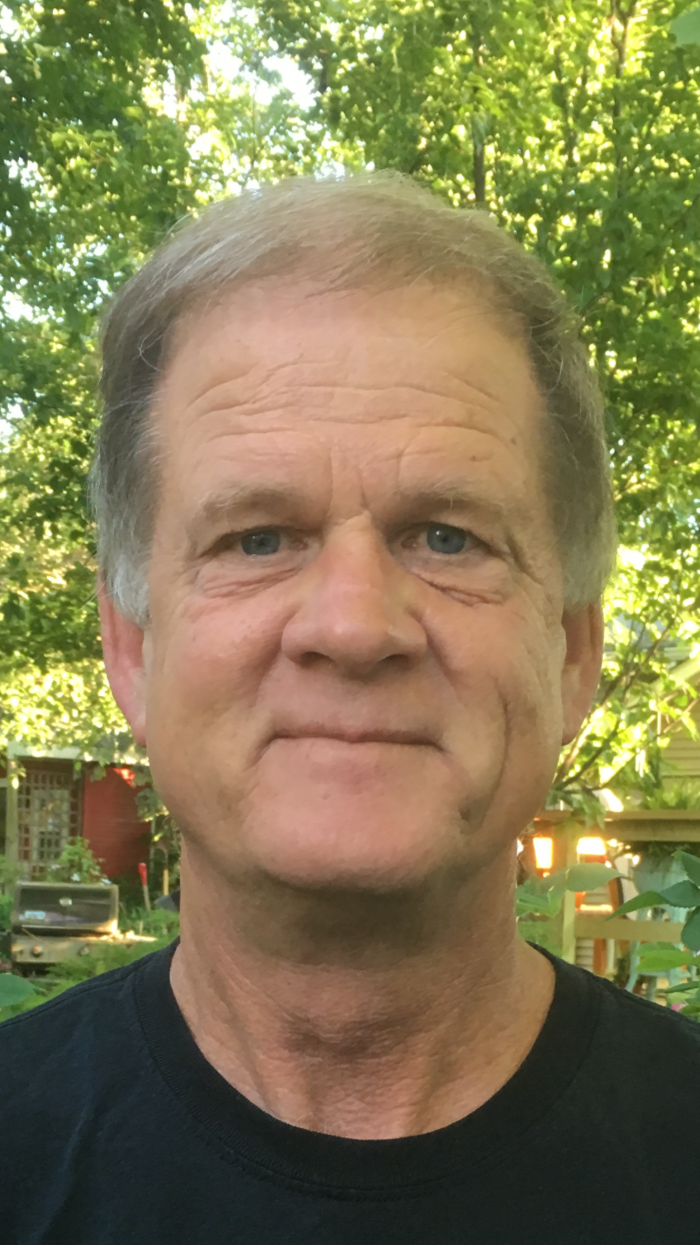
Paul Kelly
Research and Apiary Manager, The University of Guelph Honey Bee Research Centre
Topics -
1. Ergonomic Beekeeping - Trucks, tools and methods for small to midsize operations
Beekeeping activities all involve moving equipment and physical exertion. Wheels, levers, tools and methods to reduce physical strain are valuable to reduce injuries, improve efficiencies and make the work more pleasant. In this presentation I will describe the methods we use to manage our 350 colonies. The methods are suited to small to mid-size scale beekeeping operations.
2. The LVG Breeding Program: Breeding for Low Varroa Growth at the HBRC
In 2012 we demonstrated a close correlation between grooming behavior and low varroa population growth (LVG). More recently we have adopted a simple method of breeding for low varroa growth rate (LVG). This method indirectly selects for grooming behavior and other resistance mechanisms. In five generations we have achieved a seven-fold decrease in mite population growth. This method has been adopted by Ontario bee breeders and we are encouraging its adoption elsewhere.
Bio:
Paul has managed the Honey Bee Research Centre since 1987. His primary role at the centre is to manage honeybee colonies for research and teaching purposes. He provides research support for hive health science, training for students and beekeepers, coordinates and teaches beekeeping courses and conducts facility tours for the general public.
Paul’s interests include bee breeding, beekeeping tool design and manufacture, beekeeping video production, medicinal use of hive products, and hive management techniques. Paul and the HBRC team have produced 77 beekeeping videos for the HBRC YouTube channel. They have been translated into 12 languages and have been viewed approximately 30 million times. He makes and sells Bee Belts, the tool belt for beekeepers.
Paul received the Eastern Apiculture Society, Roger A. Morse Extension Award in 2017 and was inducted into the Ontario Agriculture Hall of Fame in 2022.
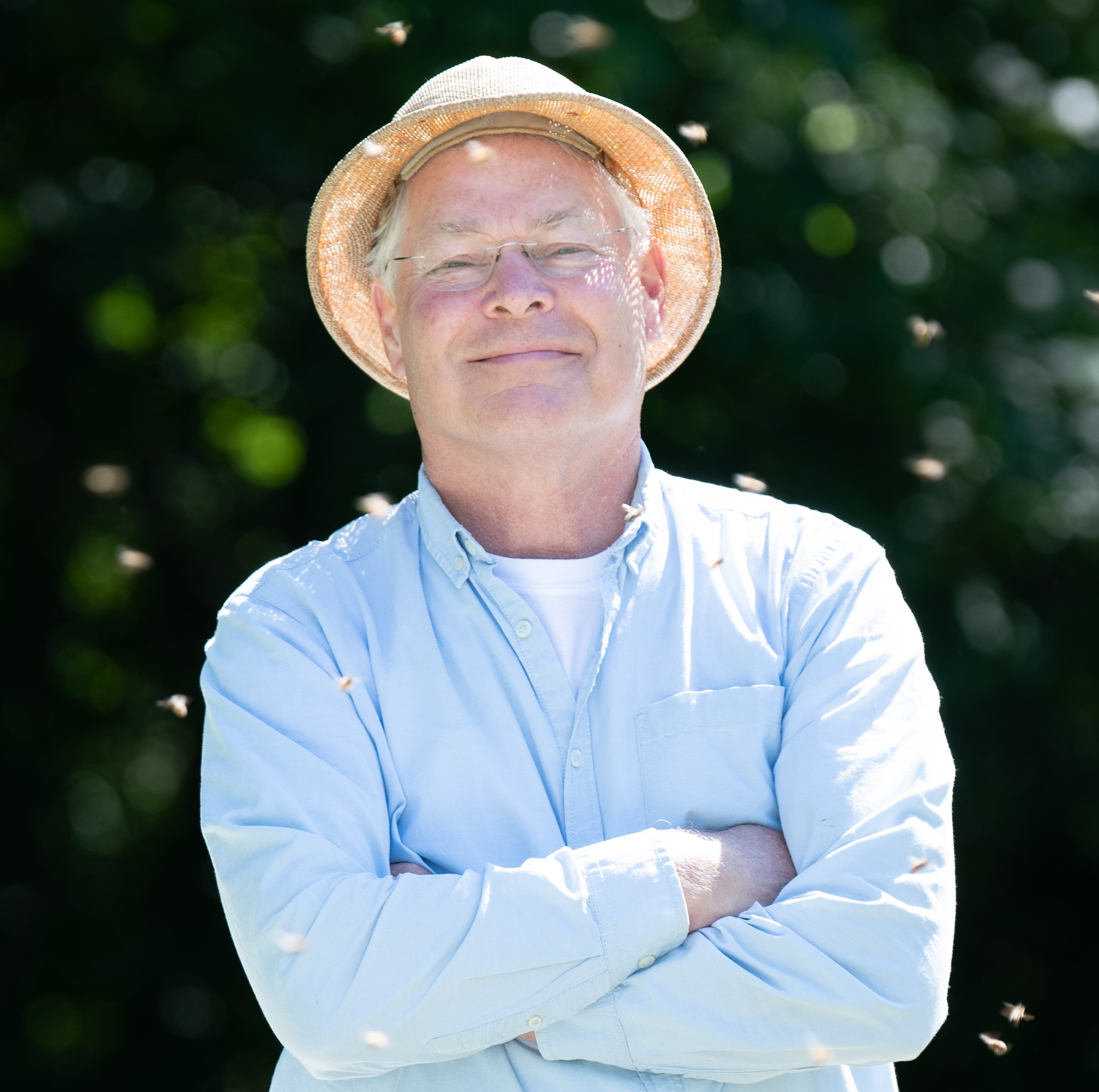
Dr. David Peck
Director of Research & Education, BetterBee
Topics:
1. Changes in Varroa treatment options
2. Locally adapted queens: Marketing Myth or Cornerstone of Bee Stock Improvement
Bio:
Dr. Peck is the Director of Research and Education at Betterbee in Greenwich, NY, where he assists in product development and research, and also teaches classes and develops scientifically-sound educational materials. His doctoral work in Cornell University's Department of Neurobiology and Behavior was supervised by Professor Tom Seeley. His dissertation research focused on the transmission of mites between bee colonies, as well as the mite-resistance traits of the untreated honey bees living in Cornell's Arnot Forest.
After earning his degree, he has continued to research varroa/bee interactions, including fieldwork in Newfoundland, Canada (where varroa still have not arrived) and Anosy Madagascar (where varroa arrived only in 2010 or 2011). He has served as a teaching postdoctoral fellow in Cornell's Department of Entomology, and is still affiliated with Cornell through the Honey Bee Health program in the College of Veterinary Medicine. Dr. Peck has kept bees for more than a decade, though his home apiary is often full of mite-riddled research colonies so he doesn't usually produce much honey.
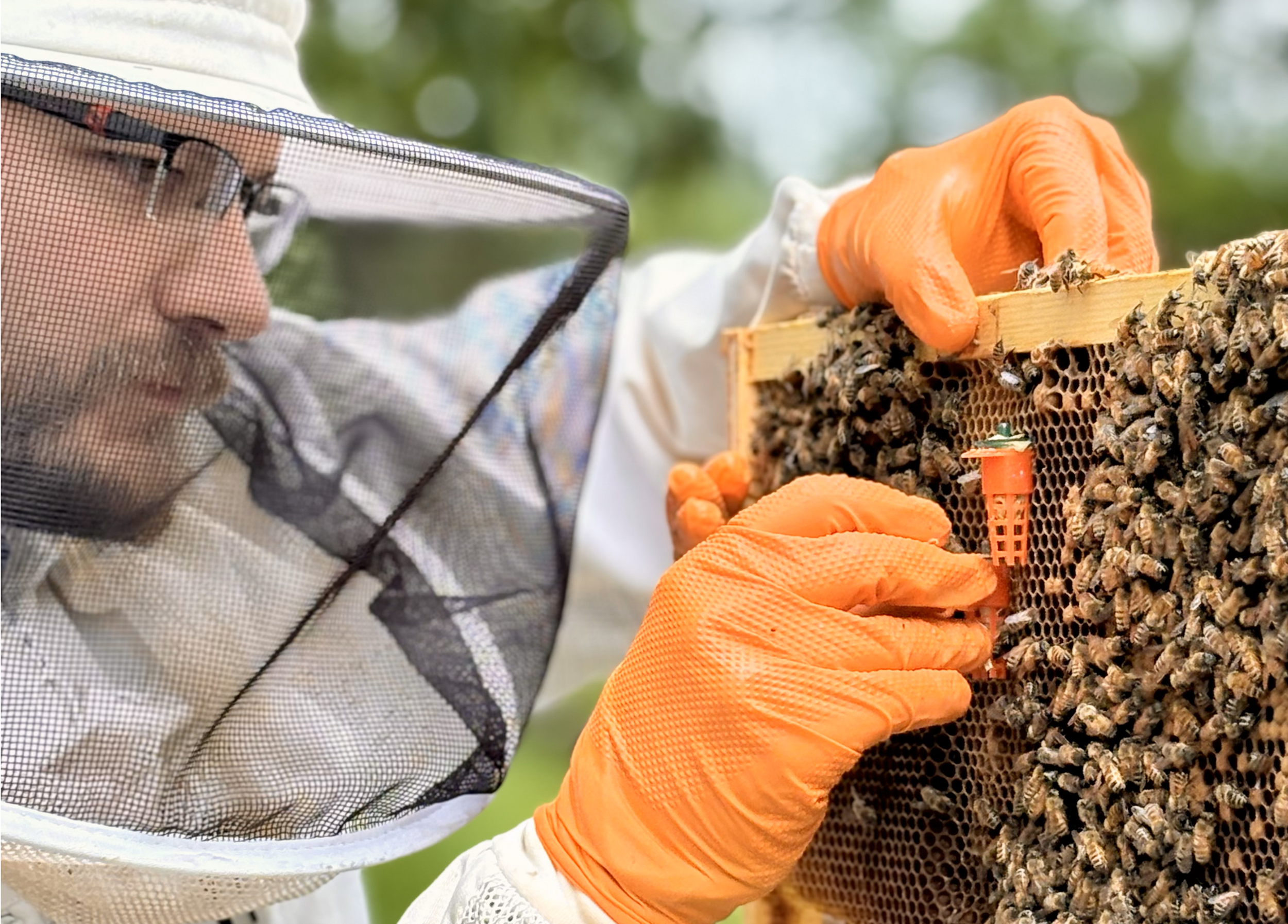
Grant Stiles
Founder, Stiles Honey, Fords, NJ
Topics - 1. Seasonal Management
2. Honey House Basics and Food Safety
Bio:
Grant Stiles, founder of Stiles Apiaries, has dedicated his life to honeybees and the art of beekeeping. It began as an eight-year-old boy’s fascination after capturing his first swarm of bees with his father and has since grown into one of the most successful apiaries in the New York/New Jersey region. Today, Stiles Honey manages over 10,000 colonies annually and stands as one of the largest honey producers and packers in Northeast, distributing honey across the country.
Grant’s journey is deeply rooted in both passion and expertise. While pursuing his degree in entomology at Penn State University, he focused his research on honeybees and supported his education by selling beeswax candles and hand-painted ornaments. His career path led him to serve as the New Jersey State Apiarist for a decade, where he gained invaluable insight into the commercial beekeeping industry and strengthened his commitment to supporting local beekeepers.
Under his leadership, Stiles Honey has become more than a honey producer—it’s a hub for the beekeeping community. Every year his company supplies hundreds of NUCs to local clubs, backyard beekeepers, and other apiaries to get ready for the spring season. As an authorized Mann Lake equipment dealer, he provides the equipment, tools, packaging supplies, and continuing education to help both new and experienced beekeepers thrive throughout the year.
With decades of hands-on experience, a deep scientific foundation, and a lifelong passion for honeybees, Grant brings unmatched knowledge and enthusiasm to every conversation in the community. His story is a testament to how curiosity, dedication, and innovation can turn a childhood hobby into a nationally recognized success.
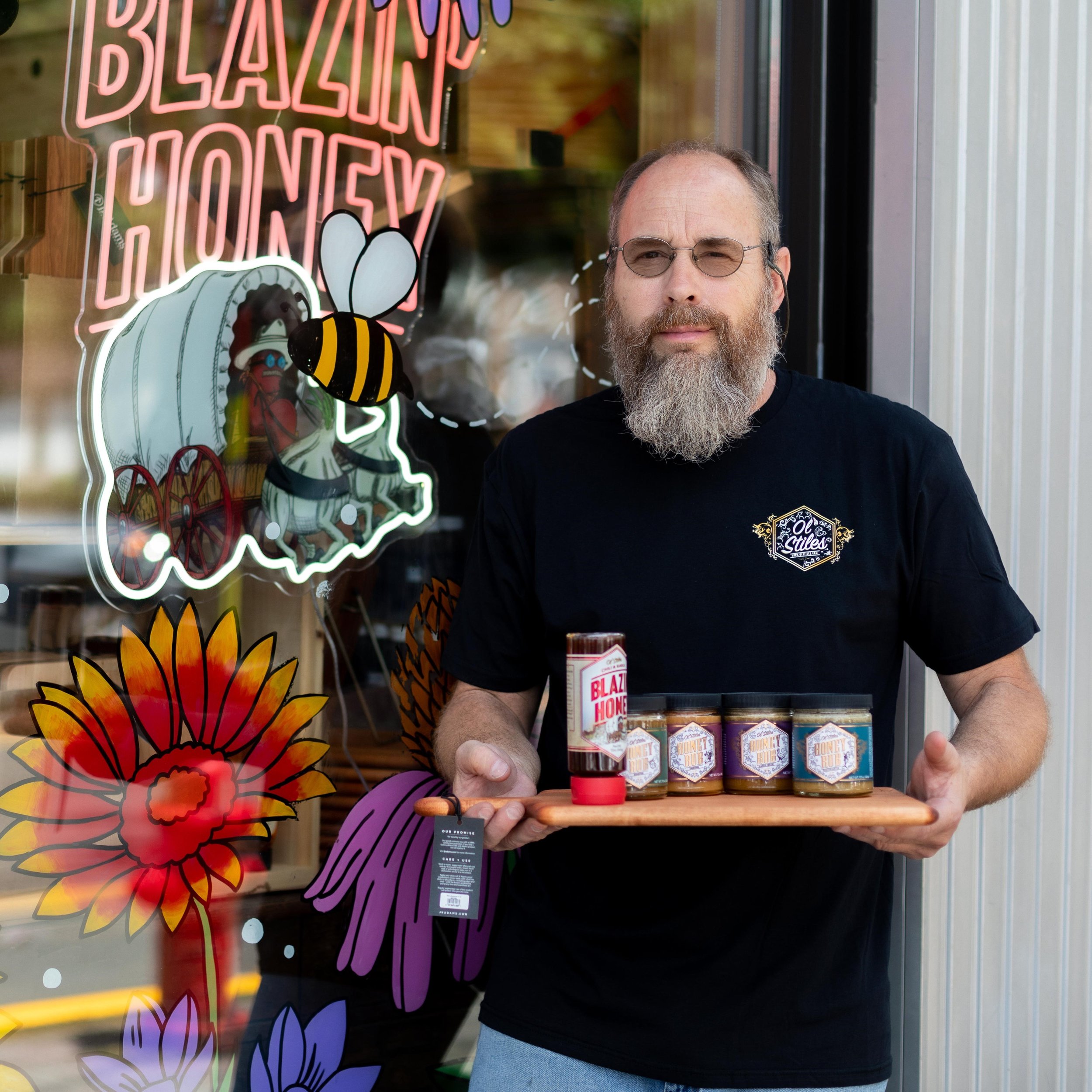
**Lunches are only guaranteed with your pre-order ticket
Prices are for current ESHPA members. If you are not an ESHPA member, you will need to sign up for that and add that membership to your cart as well. All conference registration levels are per-person. So if your spouse or friend is coming with you, please add another registration to your shopping cart to reflect the total number of people going, you will have to fill out the form for each person.
All pre-registrations include lunch for the day(s) matching your registration.
Don’t forget to order your Saturday night banquet ticket too! It is a separate item that will need to be added to your cart. Like registration, banquet costs are per-person. Please ensure quantities in your shopping cart reflect total number of banquet per-person.
Student tickets are for those 18 and under only. You MUST show your current student ID upon check-in
No refunds after October 26, 2026 for paid registration or meals. ESHPA is not responsible for cancellations outside of our control or other acts of God.
If you wish to advertise your business or sell merchandise, you will need to register for a table.
Please refer to the info on the left or the mail-in vendor form for what is included with each option.
Please remember to add additional lunches and banquets to your cart for any additional staff members, as only 1 meal is included in this fee.
Enjoy dinner on Friday night with fellow beekeepers at the conference center, a live auction, results from the silent auction, awards for the honey, wax, mead and photography contests and there is also a Beekeeper of the Year award is presented.
$65 per person.
This is for our vendors only! If you have registered for the conference, lunch will be included on the day(s) you are registered for.
Enjoy lunch with fellow beekeepers at the conference center.
$45 per person, per day or $90 covers both days.
If you would like to advertise in our brochure that goes to every attendee, we greatly appreciate your help in offsetting this expense! You will also be advertised in the hotel’s displays during the event, on the ESHPA webpage and ESHPA Facebook posts. Needs to be purchased and ad submitted NO LATER THAN 10/19/26. File needs to be a 600 dpi PDF, and full color print ready.
Full size ad should be formatted to 8.5” Tall x 5.5” Wide,
Half page = 4.25” Tall x 5.5” Wide
Please contact Eliazara@Clarencehollow.com with your artwork

You can register to become a member of ESHPA here. Please choose your membership level; Single, Household, Lifetime or Student
Membership is individual, one membership gets one vote. The exception is the new Household Membership, which gives you two votes for our meetings. ESHPA bylaws require membership to be paid in full 10 days before a General Meeting to vote at that meeting. Thank you for renewing.
Scholarship Donation
In 2023, ESHPA established a scholarship to support students that are residents of NY and enrolled in a NYS school in programs related to agriculture and environmental science. The goal is to have an impact on future generations who through their careers may impact our bees. Your contributions to this effort will increase the size and reach of this scholarship.
4-H Bee Club
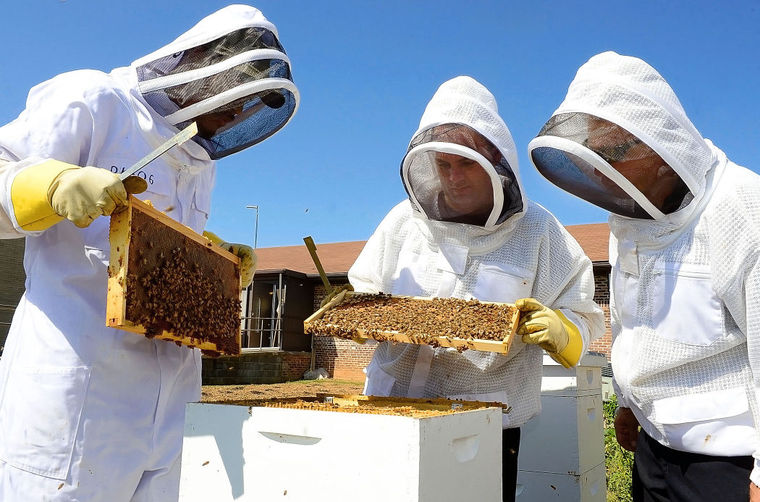
This year a 4-H leader in Columbia and Greene Counties has started a club to teach young people between the ages of 8 and 18 beekeeping. ESHPA has supported this effort by making a donation to help jump start this initiative by providing funds for bee suits. Your donations will be added to these efforts to educate the next generation of NY beekeepers.
The New York State Honey Map is now live!
These are the ESHPA members that sell honey throughout the state. We will be advertising this heavily on all our new flyers and advertising and especially at the State Fair when people are ALWAYS asking us where to get honey. Of course people come from all over the state, so this is a great opportunity to pick up some new customers!
If you would like to be listed on the map,
you need to be a current member and fill out the following form.
https://docs.google.com/forms/d/171wimSdBVKNTZZGwV1mCdkJ3N1aqjXA0Y2uucLdkymE
Did you know we have a calendar of ALL the beekeeping club meetings throughout the state?
Welcome to The Empire State Honey Producers Association, Inc.
Or for short, ESHPA.
ESHPA open to all beekeepers in NYS, from the hobbyist with one hive, to the commercial migratory beekeeper with thousands. This is made clear in the preamble of the bylaws:
To promote and protect the interests of New York State beekeepers, and
To form an association for mutual benefit of New York State honey producers; to promote and assist in efforts to preserve and protect the honey bee; to assist New York State honey producers in promoting, marketing and publicizing honey and hive products and educate the public to the value of honey bee pollination; to aid in presenting a uniform point of view on concerns of New York State honey producers to state and federal agencies and the general public.
To procure uniformity and certainty in customs and usages of trade and commerce, and of those having a common trade, business, financial or professional interest; to promote a more enlarged and friendly intercourse among beekeepers.
ESHPA was originally founded in 1870 as the “New York State Bee-Keepers Association”, with dues of $1 (considered too high by many potential members). Ladies interested in beekeeping could join with just a signature.
Today ESHPA is a 501(c) (5) Federal Tax exempt corporation with a governing board elected by the general membership. Full bylaws are available at ESHPA.org . Regional “North-Eastern” “Southern” “Western” and “Long Island” directors are elected to three-year terms. Officers are elected to two year terms.
The majority of ESHPA members have less than 50 hives according to a voluntary online survey conducted in 2012.
Please select how we can help you!

Looking for General Information on Bees?
Interested in Starting Beekeeping?

Already are a beekeeper?